Elena Brooks · 4 September 2026
Mineral Sourcing Strategies That Optimize Performance in High-Exposure Environments
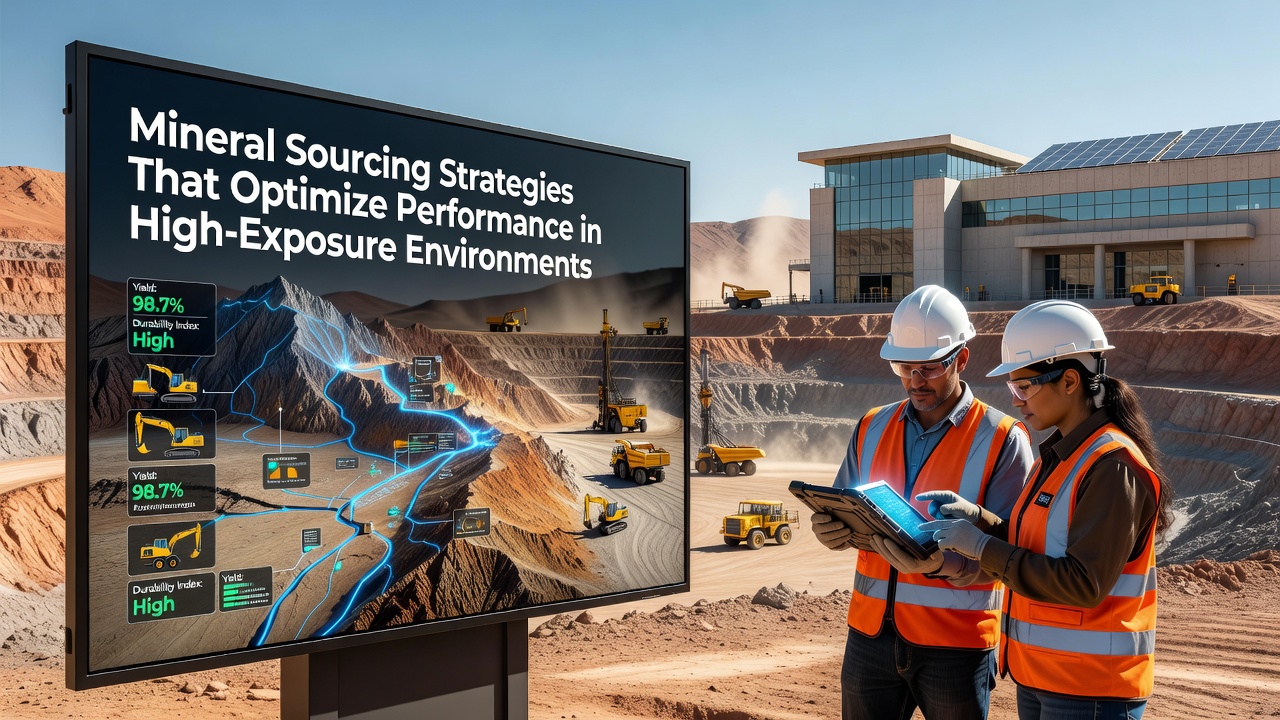
High-exposure environments demand minerals that maintain structural integrity and functional efficiency under conditions including intense ultraviolet radiation, extreme temperature fluctuations, corrosive atmospheres, and mechanical stress, and organizations address these requirements through targeted sourcing approaches that prioritize material traceability along with performance validation. Companies operating in sectors such as aerospace component manufacturing, offshore energy infrastructure, and remote mining operations rely on precise procurement methods that match mineral grades to specific environmental stressors.
Characteristics of High-Exposure Settings
These settings include desert solar installations where daily temperature swings exceed 50 degrees Celsius, coastal facilities exposed to salt-laden air, and high-altitude installations subject to elevated cosmic radiation levels, while data from the United States Geological Survey indicates that mineral degradation rates in such locations can accelerate by factors of three to five compared with temperate zones. Observers note that selection processes must account for both immediate exposure factors and long-term degradation pathways that affect load-bearing capacity along with electrical conductivity.
Key Minerals and Their Performance Roles
Titanium alloys sourced for corrosion resistance, rare earth elements incorporated into high-temperature magnets, and specialized silica grades used in protective coatings represent core materials that deliver measurable gains in operational lifespan, and researchers have documented how trace element purity directly influences fatigue resistance under cyclic loading. Supply chains for these minerals often span multiple continents, requiring verification protocols that confirm origin and processing standards at each stage.
Strategic Sourcing Approaches
Effective strategies begin with geological mapping combined with supplier audits that assess extraction methods, refining techniques, and transportation logistics, while multi-source diversification reduces dependency on single regions prone to geopolitical disruption. Organizations implement blockchain-based tracking systems that document chain-of-custody from mine to end-use facility, and this approach allows real-time verification of compliance with environmental and quality benchmarks. Procurement teams evaluate suppliers through standardized testing regimens that simulate exposure conditions before contracts are finalized, ensuring consistent batch performance across production runs.
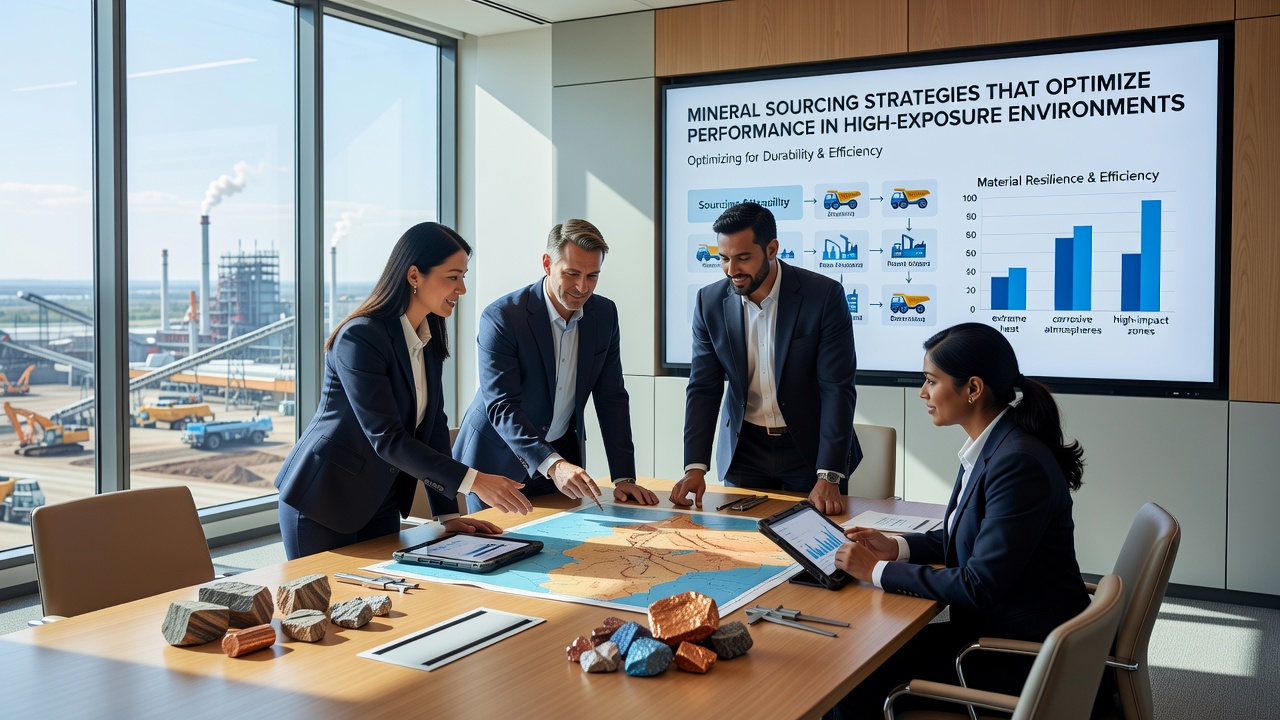
Regional partnerships further strengthen supply resilience, as demonstrated by collaborative frameworks between North American processors and Australian extraction operations that coordinate on volume commitments and specification alignment. Data shows that firms adopting these integrated methods achieve up to 30 percent reductions in replacement cycles for critical components operating in exposed locations.
Quality Assurance and Testing Protocols
Validation procedures incorporate accelerated weathering chambers, salt fog exposure trials, and spectroscopic analysis that quantify impurity levels down to parts-per-million thresholds, and these steps occur at multiple checkpoints throughout the supply chain. Industry reports highlight how deviations in mineral composition as small as 0.5 percent can lead to measurable declines in performance metrics under sustained high-exposure stress. Certification bodies maintain databases that record test outcomes, enabling buyers to cross-reference historical performance data when evaluating new suppliers.
Developments Through September 2026
By September 2026 regulatory frameworks in the European Union and Canada had introduced updated traceability requirements for critical minerals destined for high-exposure applications, prompting many suppliers to expand digital documentation practices, and figures from Geoscience Australia reveal increased investment in domestic processing capacity that supports more stable delivery schedules. These changes coincide with expanded research initiatives at academic institutions that examine mineral behavior under combined stressors such as simultaneous UV exposure and mechanical vibration.
Conclusion
Mineral sourcing strategies that incorporate rigorous supplier evaluation, diversified geographic networks, and comprehensive performance testing enable sustained operational reliability in high-exposure environments, and ongoing refinements to these methods reflect both technological advances and evolving regulatory landscapes across multiple jurisdictions.